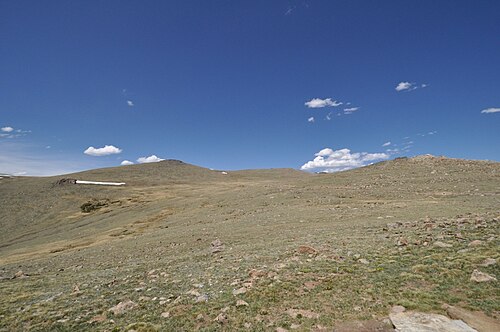
In 1959, a young botanist named Beatrice Willard set up camp above 11,000 feet in Rocky Mountain National Park. She wanted to know how much abuse alpine plants could take. Tourists were trampling the delicate tundra. So, she established two research plots near Trail Ridge Road. She marked them with small metal pins. One plot sat near Rock Cut, the other at Forest Canyon Overlook. For forty years, she watched how people ruined the soil. She literally counted footsteps. Tiny, slow-growing plants like Silene acaulis (moss campion) and Kobresia sedge struggled under heavy hiking boots. It turned out, a single heel mark could destroy a century of growth. Just one step. Her meticulous data proved that the alpine environment is incredibly fragile.
Her work did not just stay in the dirt, though. She actually used her findings to change US environmental policy. She advised presidents. National Park administrators took immediate note of her research. They built asphalt paths and rock walls to steer visitors away from the raw dirt. Today, those plots remain. Scientists still hike up to monitor them. They represent some of the oldest alpine research sites in North America. The 2007 National Register listing recognized her grit. She spent decades in freezing mountain wind, measuring tiny leaves. There are no grand monuments here. Just some weathered metal stakes in the rock. But those stakes changed everything.
- T Walker
What Makes Willard, Beatrice, Alpine Tundra Research Plots Special:
Willard, Beatrice, Alpine Tundra Research Plots Location Map: